As people grow older, changes in vision become more common—and sometimes, those changes can signal more than just the natural effects of aging. One such condition is Age-Related Macular Degeneration (AMD), a leading cause of vision loss in people over 60. For older adults facing this diagnosis, senior home care can offer the support needed to stay safe, independent, and connected at home.
Queen City Elder Care provides experienced, compassionate care to help individuals living with AMD manage daily life with confidence and comfort.
Understanding Age-Related Macular Degeneration
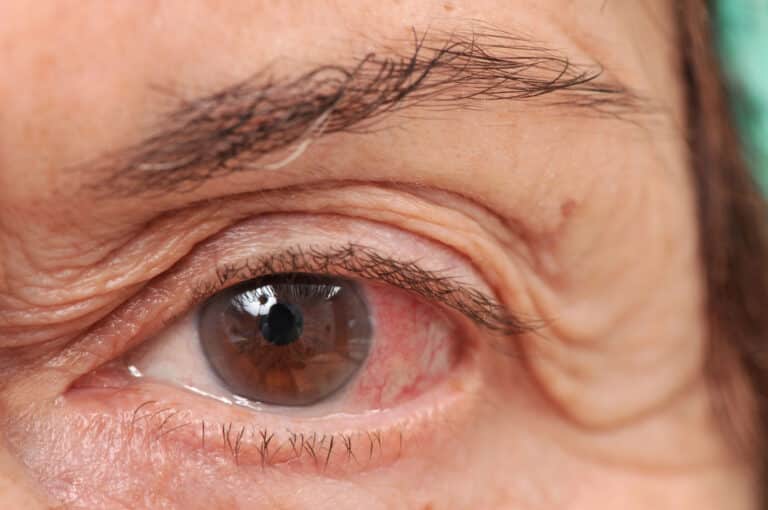
Macular degeneration affects the macula, the central part of the retina responsible for sharp, straight-ahead vision. Over time, this condition makes it difficult to read, drive, recognize faces, or perform tasks that require seeing fine detail.
There are two primary types of AMD:
- Dry AMD: The most common form, caused by the gradual thinning of the macula. It tends to progress slowly but steadily over time.
- Wet AMD: A less common but more severe form, caused by abnormal blood vessels leaking fluid or blood into the retina. This type progresses faster and may lead to more sudden vision changes.
While AMD doesn’t cause complete blindness, it significantly affects central vision and can dramatically reduce quality of life. Peripheral vision often remains intact, but losing the ability to see clearly straight ahead presents serious challenges.
Recognizing the Signs and Symptoms
Detecting AMD early is key to managing it effectively. Common symptoms include:
- Blurry or fuzzy central vision
- Difficulty reading small print or recognizing faces
- Straight lines appearing distorted or wavy
- Needing brighter light for reading or close tasks
- A dark or empty area in the center of vision
These changes may be subtle at first. Many people adapt without realizing something is wrong. That’s why regular eye exams are essential, especially for those over 60 or with a family history of the disease.
How Senior Home Care Supports Seniors with AMD
Living with AMD often requires lifestyle changes, especially when it comes to daily routines, safety, and emotional well-being. Senior home care services help bridge the gap between what older adults can do on their own and the help they need to stay independent.
At Queen City Elder Care, caregivers are trained to support seniors living with vision impairment in practical and compassionate ways.
Help with Everyday Tasks
Tasks like cooking, cleaning, and managing medications become more difficult when central vision is impaired. Senior home care providers assist with these routines while allowing the client to stay involved. For example, a caregiver might read instructions aloud, guide hands while preparing food, or help identify medications clearly.
This respectful, hands-on approach keeps clients engaged while reducing frustration and safety risks.
Home Safety and Fall Prevention
Poor vision increases the risk of tripping, bumping into furniture, or misjudging steps. Queen City Elder Care’s senior home care team helps maintain a safer home by ensuring clear walkways, securing rugs, and improving lighting. They also assist with mobility—especially in areas like bathrooms, stairs, or entrances where falls are more likely.
Transportation and Community Involvement
Seniors with AMD may no longer drive, which can limit their ability to attend appointments or socialize. Senior home care includes transportation assistance, so clients can get to the doctor, grocery store, or even social events without relying on public transit or family schedules.
Staying active and involved improves mental and emotional health, which is especially important for those dealing with vision loss.
Emotional Support and Connection
Vision loss doesn’t only affect the eyes—it affects the heart and mind, too. Losing the ability to read a book or recognize a loved one’s face can lead to isolation, anxiety, or even depression. Caregivers offer companionship that brings relief from loneliness, and they encourage activities that stimulate the mind and spirit.
Whether it’s listening to music, reminiscing over memories, or simply talking about the day, that connection matters.
Support for Long-Term Eye Health
Though AMD can’t be reversed, lifestyle choices and treatments can slow its progress. This might include taking prescribed vitamins, following dietary guidelines, or using vision aids. Caregivers help maintain these routines and support regular visits to the eye doctor.
Queen City Elder Care is committed to helping seniors live fully at home, even with vision challenges. Our senior home care services are designed to promote dignity, safety, and quality of life for those living with AMD.
If you or an aging loved one is considering Senior Home Care in Loveland, OH, please contact the caring staff at Queen City Elder Care today at (513) 510-4410
Queen City Elder Care provides Home Care in Cincinnati, Hyde Park, Indian Hill, Madeira, Montgomery, Amberley, Anderson, Loveland, Mason, Wyoming, and surrounding areas.

Michele Vollmer is a visionary leader who is perpetually searching for ways to improve, so to remain at the leading edge of the home care industry.She has served in the healthcare industry since 1989, including pharmaceutical and home health sales, as well as hospice sales and sales management
- Alzheimer’s Disease at Home: Creating Stability in an Unpredictable Journey - October 6, 2026
- Helping Older Adults Maintain Dignity Through Daily Personal Assistance - September 28, 2026
- How to Help an Aging Parent Stay Socially Connected - September 23, 2026